Interview · Addiction & Recovery
The Weight of Stigma
A conversation with Miranda McNeil on surviving addiction, and the shame that outlasted it.
Ava McNeil
Introduction: The Weight of Stigma
Approximately 40 million people were estimated to have been using opioids in 2017 [1]. This number has rapidly increased throughout the late 19th and 20th centuries, leading to rampant opioid addiction across the globe.
Addiction is a disorder affecting mental well-being, decision-making, and behavior [2]. Nevertheless, society has stigmatized addiction throughout history, using addiction as a marker for a person’s worth.
The War on Drugs, perpetrated in 1971 by former U.S. president Richard Nixon, marked the magnification of this existing social stigma against those with an illicit drug use disorder. Addiction was framed not as a disease, nor as a mental illness arising from personal grievances, but as a moral failing on behalf of addicts.
“People with opioid use disorders are often perceived as dangerous and unpredictable, subject to high levels of social exclusion, and may be considered unworthy of receiving government assistance with food or housing.”
— NIH [1]
This stigma improperly labels those who are suffering from this illness and leads to an overall lack of resources for addicts attempting to get better.
I interviewed Miranda McNeil, a 49-year-old former drug addict from Washington State, to address her struggle with addiction and explore the effects of this stigma on drug addicts themselves. Below is our conversation, lightly edited for length and clarity.
How Addiction Began
At 18 years old, Miranda began her “10-year” battle with drug addiction after what she recounted as a traumatizing childhood.
Question
What led you to start using drugs?
Answer
“I was homeless and [traumatized] by family. Drugs were what my only friend was doing, I just thought I’d try it.”
Additionally, Miranda suffered from unmedicated anxiety, and continued to use drugs because she “didn’t feel completely shy and like [she] didn’t belong” anymore. Due to her homelessness, pervasive mental illness, and a traumatizing childhood, drug addiction quickly took over her psyche. A decision she made at 18, after remarkable peer pressure, marked her for the rest of her life.
The Stigmatization of Addiction
I asked Miranda about her experience while in active addiction, specifically regarding the widespread stigma against addicts, split into three categories outlined by the U.S. Department of Labor: self-stigma, structural stigma, and public stigma [3].
Self-stigma is a phenomenon in which social structures impose self-loathing on drug addicts, leading them to personally view themselves as “failures.”
Question
What was it like carrying that shame?
Answer
“I felt constant shame and had a profound lack of self-respect during my active addiction. The risk of losing your children if you are honest about your addiction and ask for help is too much of a possibility to feel comfortable being honest with anyone about your struggle.”
Even after addiction, Miranda was ashamed to seek help for anxiety or depression “due to a fear of being labeled as ‘drug seeking’ or not being taken seriously due to [her] history of addiction.”
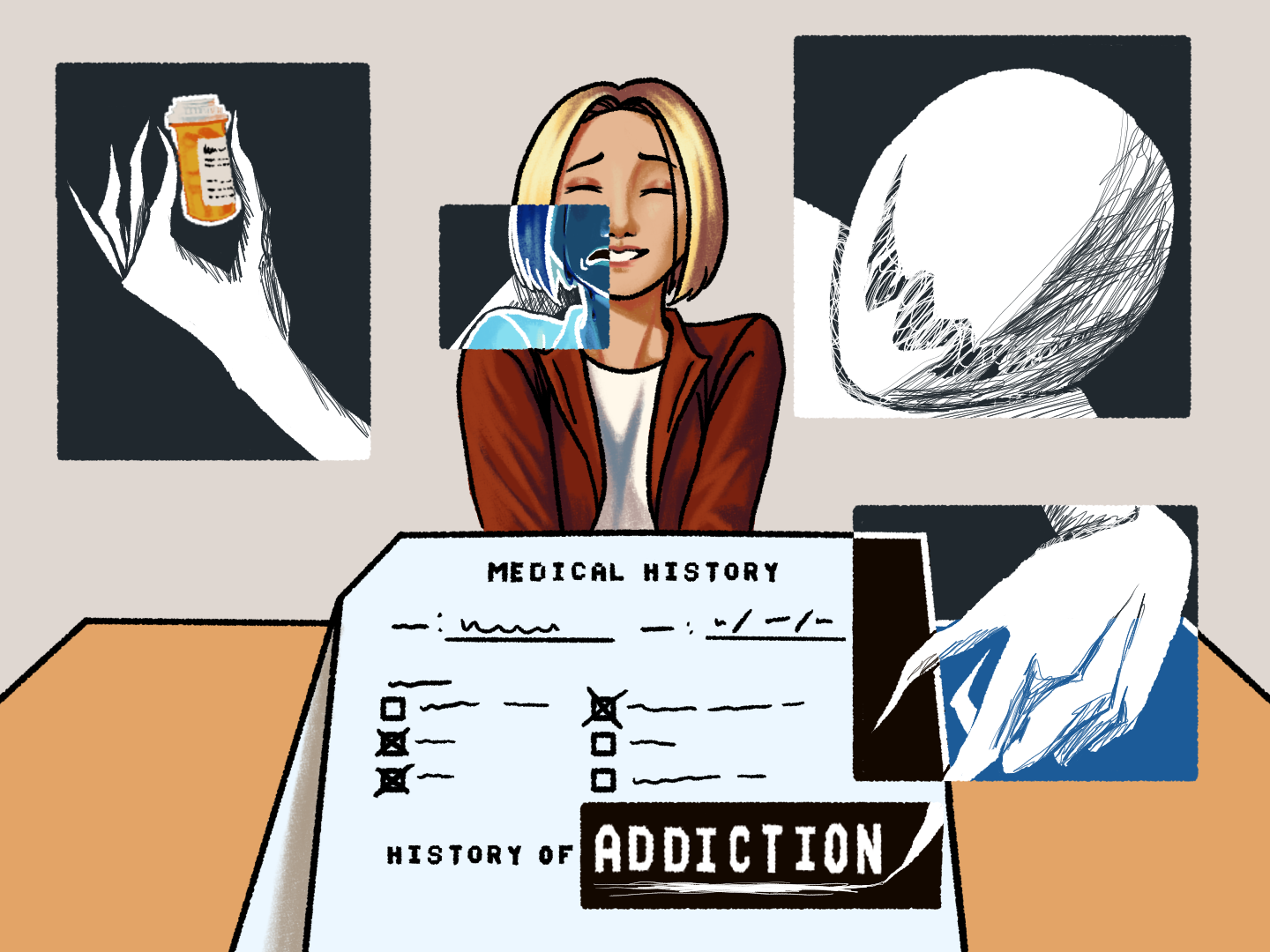
“Despite my addiction being over 20 years in the past, ‘history of methamphetamine use’ is still listed on my MyChart. This has led to every panic attack, hospital visit, and attempt to receive mental health support being tainted by my past struggle.”
— Miranda McNeil
78%
of Americans believe people who are addicted to prescription opioids are, themselves, to blame for the problem.
Johns Hopkins School of Public Health [4]
In Miranda’s experience, gaining any professional advancement was nearly impossible.
Question
How did your record affect your career options?
Answer
“As someone with a felony possession charge, many professions were permanently eliminated from ever being a possibility for me.”
Rethinking Addiction
Question
How do you view addiction now, looking back?
Answer
“An attempt to self-medicate.” It was important for her to separate drug use from the stigma of being a moral failing. She reflected that if she had received any form of help, her drug addiction “would have stopped sooner,” or not occurred at all.
Leave a Reply