Public Health · Healthcare Equity
Addressing Racial Disparities in Naloxone Access
Written by
Caid Campbell
Overview
Naloxone is an FDA approved medication used to undo overdose from prescription opioids, fentanyl, heroin, and other drugs (1). Naloxone has a reported success rate between 95-98%, making accessibility to the medication vital in the present U.S. overdose crisis (2). Naloxone is sold in pharmacies as a nasal spray, so all domestic populations should be able to easily discover and access the medication.
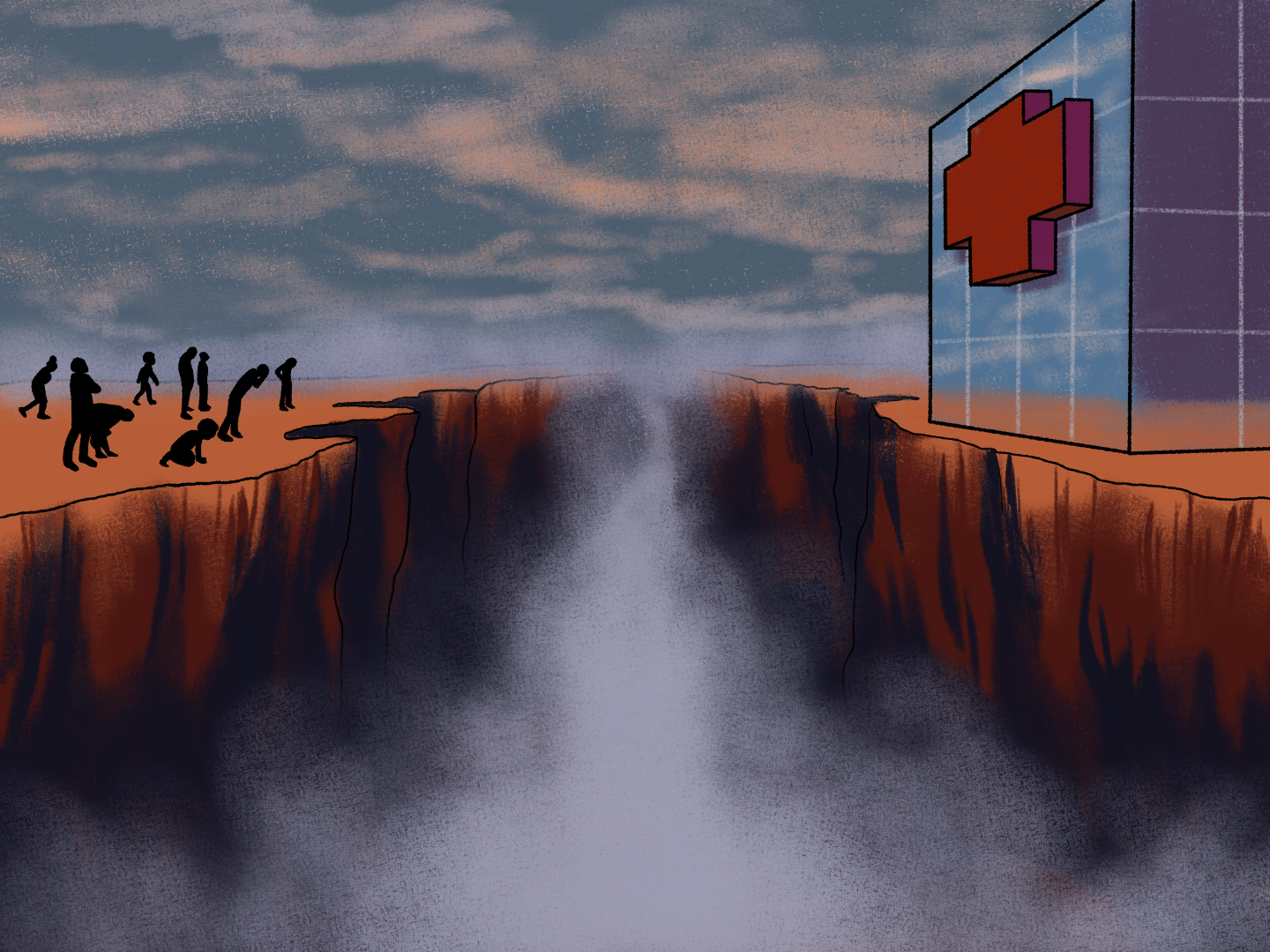
However, there is inadequate Naloxone stock and distribution in areas heavily populated by racial minorities. This creates large racial disparities in Naloxone access, with Black, Latinx, and Indigenous populations having lower access to the medication (3) (4).
Addressing these disparities is vital for alleviating the U.S. overdose crisis, as these three racial populations comprise the highest domestic drug overdose fatality rates (5).
Wider implementation of Good Samaritan laws can alleviate the Black and Latinx disparities, while emphasizing demand-driven Naloxone distribution and stock in policy can alleviate the Indigenous disparity (6) (7).
Black and Latinx Communities Face Barriers at Pharmacy Counters
In the U.S., public access to emergency medical services are ensured under the Emergency Medical Treatment & Labor Act (EMTALA) (8). Yet, naloxone – an emergency relief medication – is inaccessible for many racial minorities.
Studies find that pharmacies in improperly Black and Latinx residential areas fail to keep Naloxone stocked relative to the well-stocked pharmacies in nearby white residential areas (5).
Such inadequate Naloxone stock leaves racial minorities unable to discover and subsequently purchase the medication when needed. As a result, there is a wide racial disparity in Naloxone awareness, with a 2024 study finding that white adults have nearly twice the awareness of Naloxone’s existence and purpose as Black and Latinx adults (3).
Given that overdose fatality rates increased in Black populations by nearly 250% and in Latinx populations by over 170% between 2015 – 2022, improving Naloxone access and awareness within both racial groups is vital for alleviating the U.S. overdose crisis (9).
Indigenous populations also face disparity in Naloxone access. A study conducted in a rural Northern Midwest region of the U.S. found that only 24% on Indigenous individuals in the area had access to Naloxone, with only one Naloxone distribution program serving the entire region (4).
The rural nature of Indigenous tribal lands is a pattern consistent across the U.S., as Western urbanization has pushed Indigenous populations out of mainstream regions (10). This means that Indigenous tribes are not at fault for residing in areas with low Naloxone distribution. In fact, both qualitative and quantitative reviews have found that the interconnected nature of Indigenous tribes facilitates excellent healthcare redistribution (11).
But Indigenous tribes cannot redistribute Naloxone if the medication is not made consistently available to them.
Indigenous disparity in Naloxone access is an issue of inadequate distribution to rural tribal areas rather than a fault of Indigenous tribes.
Given that Indigenous populations have the highest drug overdose fatality rate amongst racial groups in the U.S, mending this disparity to alleviate the U.S. overdose crisis is vital (5).
Interventions
It is then evident that wide racial disparities in Naloxone access exist, especially relative to racial needs for the medication. To best address these racial disparities in Black, Latinx, and Indigenous access, two key interventions should take place:
1
Wider implementation of Good Samaritan Laws, which targets providing increased access to Black and Latinx populations.
2
Emphasizing demand-driven Naloxone distribution and stock in policy, which targets providing increased access to Indigenous populations.
However, these two interventions are not mutually exclusive to their targeted racial groups, as both interventions can increase Naloxone access within all racial groups to alleviate the broader U.S. overdose crisis.
Intervention #1: Building Trust Through Good Samaritan Laws
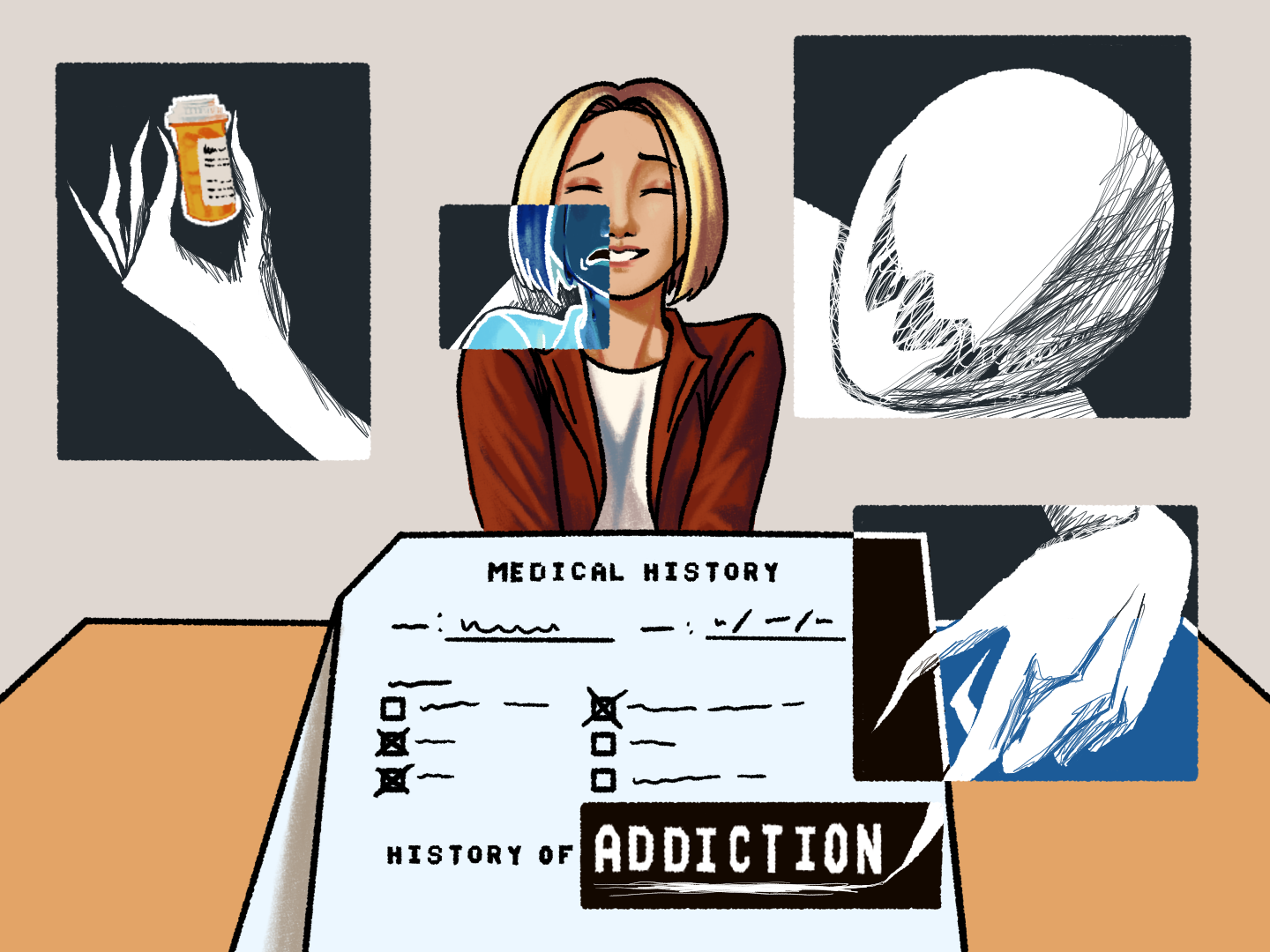
Many racial injustices, including inadequate Naloxone pharmacy stock in predominantly Black and Latinx residential areas, erode Black and Latinx trust in U.S. healthcare and governmental services.
Other racial injustices that contribute to this distrust include racial profiling by law enforcement and racial neglect by healthcare entities (12). These injustices contribute to systemic racism as a driving factor in the disproportionate overdose fatality rates seen in racial minority populations (9).
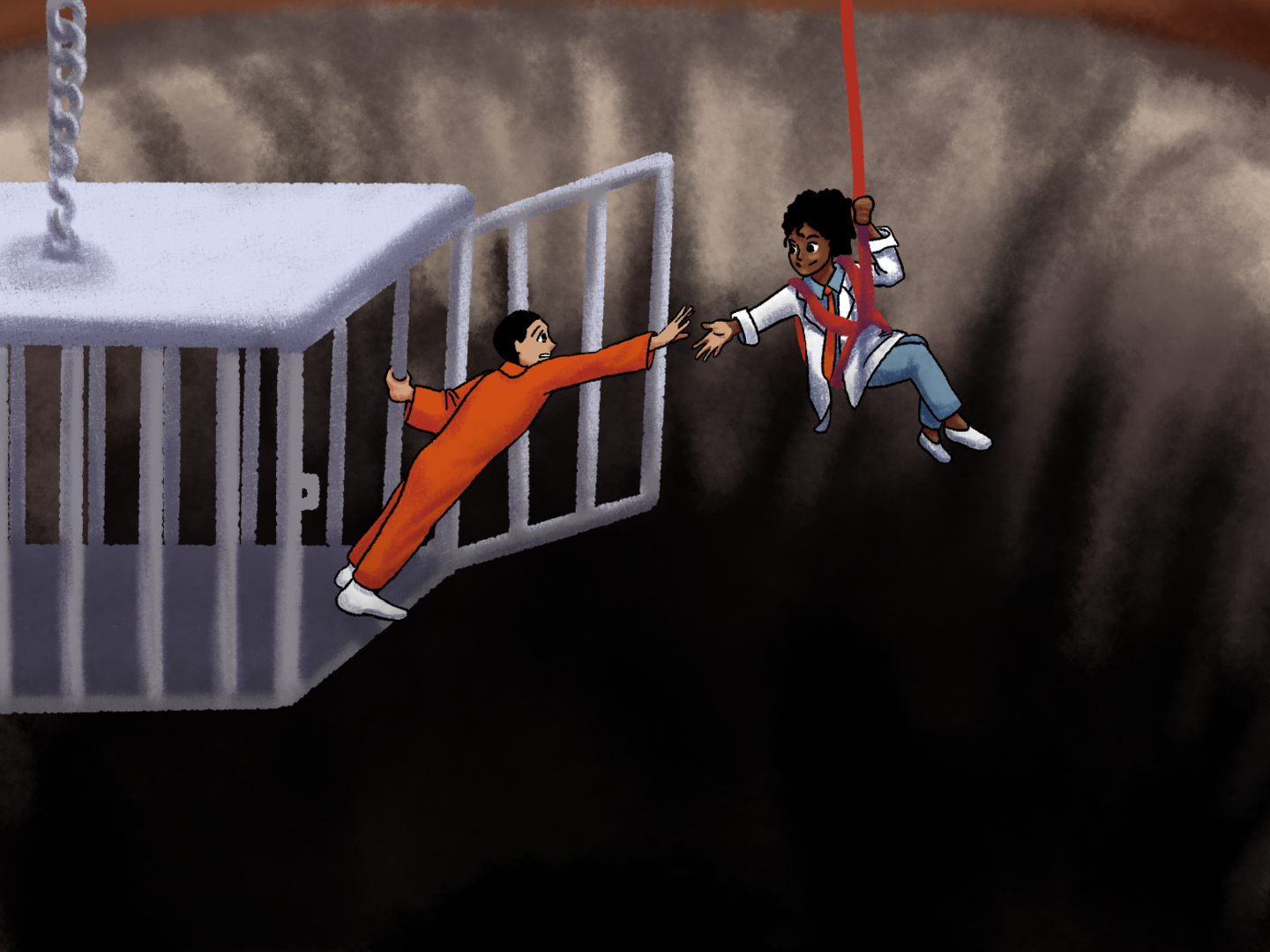
To prevent distrust from deterring Black and Latinx populations from requesting Naloxone or calling 911, Good Samaritan laws should be widely implemented.
In a comprehensive study of all 50 U.S. states spanning 14 years, Good Samaritan laws facilitated a 26% reduction in drug overdose occurrence among Latinx populations (6). Thus, wider implementation of Good Samaritan Laws can encourage utilization of healthcare resources, including Naloxone, to alleviate racially disproportionate drug overdose fatality rates.
Intervention #2: Bringing Naloxone to Rural Tribal Communities
To address inadequate Naloxone distribution in rural Indigenous tribal regions, policy should emphasize demand-driven distribution and stock.
Sweden’s rural Region Västerbotten is a potential blueprint for this policy shift. Region Västerbotten utilized a network of civil society, public institutions, and businesses to collectively improve distribution of healthcare resources to populations in the rural region (7) (p. 5). This way, healthcare resources like medication reach those in need regardless of their proximity to hospitals and pharmacies.
U.S. policy strategy can benefit from emphasizing similar demand-driven coalition to ensure Indigenous populations have access to enough Naloxone relative to their heightened need for it.
Conclusion
Implementing more Good Samaritan law and demand-driven policy can alleviate racial disparities in Naloxone access. In doing so, it can address the broader U.S. overdose crisis by increasing general access and distribution of the medication to all populations. But these interventions leave two key factors unconsidered.
First is barriers to Naloxone access that are specific to Asian populations. The underlying factors of overdose rates and healthcare access among Asian populations are drastically different from the factors among Black, Latinx, and Indigenous populations. So, any specific strategies for improving Naloxone access among Asian populations are beyond the scope of this paper.
Second is barriers to adopting demand-driven coalition inspired by rural Region Västerbotten. Namely, shifting U.S. governmental interest away from capitalistic interests surrounding mainstream cities and towards healthcare demands across both rural and mainstream regions. Shifting U.S. interest toward rural regions is then an extensive issue beyond the scope of this paper.
Both unconsidered factors should be tackled with intervention so the U.S. overdose crisis, characterized by racial disparities in Naloxone access, can be effectively addressed.
References
1. Health D of P. California Department of Public Health [Internet]. Available from: https://www.cdph.ca.gov/Programs/CCDPHP/sapd
2. Fischer LS, Asher A, Stein R, Becasen J, Doreson A, Mermin J, et al. Effectiveness of naloxone distribution in community settings to reduce opioid overdose deaths among people who use drugs: a systematic review and meta-analysis. BMC Public Health. 2025 Mar 25;25(1):1135. doi:10.1186/s12889-025-22210-8
3. Black, Hispanic, And Asian Adults In The US Had Substantially Lower Engagement On The Naloxone Care Cascade, 2024 | Health Affairs Journal. Health Aff (Millwood) [Internet]. Available from: https://www.healthaffairs.org/doi/10.1377/hlthaff.2025.00263
4. Schneider KE, Allen ST, O’Rourke A, Reid MC, Conrad M, Hughes P, et al. Examining naloxone access and interest in secondary naloxone distribution on an American Indian Reservation in the Northern Midwest of the United States. Drug Alcohol Depend Rep. 2024 Dec 1;13:100285. doi:10.1016/j.dadr.2024.100285
5. Products – Data Briefs – Number 522 – December 2024 [Internet]. 2024. Available from: https://www.cdc.gov/nchs/products/databriefs/db522.htm doi:10.15620/cdc/170565
6. McClellan C, Lambdin BH, Ali MM, Mutter R, Davis CS, Wheeler E, et al. Opioid-overdose laws association with opioid use and overdose mortality. Addict Behav. 2018 Nov 1;Prevention and Treatment of Opioid Overdose and Opioid-Use Disorders86:90–5. doi:10.1016/j.addbeh.2018.03.014
7. Berggren P. ACCESS TO RURAL SERVICES BY STRENGTHENING PRIMARY CARE WITH DIGITAL TOOLS IN REMOTE AREAS OF SWEDEN.
8. Emergency Medical Treatment & Labor Act (EMTALA) | CMS [Internet]. Available from: https://www.cms.gov/medicare/regulations-guidance/legislation/emergency-medical-treatment-labor-act
9. Smith MK, Planalp C, Bennis SL, Stately A, Nelson I, Martin J, et al. Widening Racial Disparities in the U.S. Overdose Epidemic. Am J Prev Med. 2025 Apr;68(4):745–53. doi:10.1016/j.amepre.2024.12.020
10. 2021-22 Rural Humanities is Radically Indigenous | Rural Humanities [Internet]. 2021. Available from: https://rural.as.cornell.edu/news/2021-22-rural-humanities-radically-indigenous
11. Bourke S, Wright A, Guthrie J, Russell L, Dunbar T, Lovett R. Evidence Review of Indigenous Culture for Health and Wellbeing. Int J Health Wellness Soc. 2018 Jan 1;8:11–27. doi:10.18848/2156-8960/CGP/v08i04/11-27